Using Color Psychology in Graphic Design
Color choices do not merely decorate a design. They set expectations before a single line of copy is read, and that makes them one of the highest-leverage decisions in any brand system.
Most teams arrive at the same set of practical questions sooner or later:
- Which colors tend to signal trust, urgency, energy, or stability?
- How much should a palette follow common color associations versus brand differentiation?
- What happens when a color looks strong in a mood board but fails in print, packaging, or accessibility review?
- How can a designer choose colors methodically instead of relying on instinct alone?
That is where color psychology becomes useful. It sits alongside color theory, brand strategy, and usability rather than replacing them. Adobe’s guidance on color meaning in design is a helpful baseline, and the W3C contrast guidance is the reminder every designer needs when a beautiful palette becomes hard to read in the real world.
In this article, you will get a practical framework: what color psychology is, how common colors influence perception, how to build a brand palette without obvious failure modes, and what real-world brand examples can teach a working designer.
Introduction to Color Psychology
Color psychology studies how people tend to respond to color in context. The phrase matters because context does most of the heavy lifting. A red button on a clearance page does not communicate the same thing as a red field on a luxury gift box. Even within the same project, the surrounding shapes, typography, photography, and copy can shift a color from confident to aggressive, or from energetic to cheap.
Color psychology is best treated as a pattern library, not a law of nature. Designers can use common associations as a starting point, then test whether those associations hold for the audience, medium, and offer. This is the minimum safe setup: start with known patterns, validate them against real use, and keep a rollback path if the palette creates confusion.
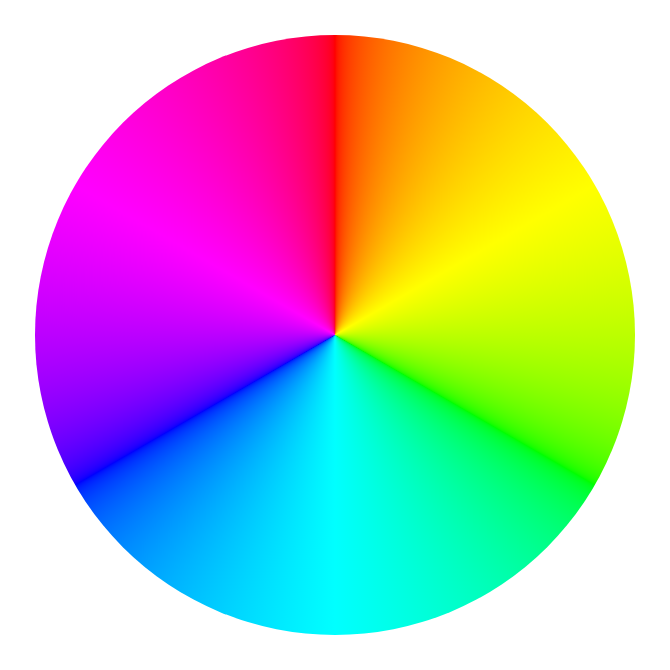
For graphic design, the practical value is straightforward:
- It supports fast recognition. Viewers form impressions quickly, and color often becomes the first sorting signal.
- It strengthens hierarchy. Accent colors tell the eye where to look first, second, and last.
- It shapes brand memory. Repeated color use can make packaging, signage, and digital assets easier to recognize.
- It affects usability. A palette that ignores contrast, reproduction limits, or cultural context creates avoidable friction.
For a company like Troserma, which operates in print and promotional materials, those decisions become even more visible. Colors must survive screens, proofs, substrates, finishes, and ambient light. A palette that feels balanced on a laptop can drift badly once it is printed on polypropylene, coated card, or packaging stock.
Useful Terms Designers Should Keep Straight
Color discussions become less messy when everyone is using the same terms. A few definitions prevent avoidable confusion during reviews and production handoff.
- Hue is the base family of a color, such as red, blue, or green.
- Saturation describes intensity. High saturation feels vivid; low saturation feels muted.
- Value describes lightness or darkness. A darker blue can feel more formal than a lighter blue even when the hue stays similar.
- Temperature separates warmer colors from cooler ones, which affects whether a layout feels active or calm.
- Contrast is the difference between elements. It affects readability, hierarchy, and accessibility more directly than mood-board aesthetics do.
These are not academic details. They are production controls. A team may agree that “blue” is correct for the brand, but a muted blue-gray, a bright cyan, and a deep navy do not carry the same message. The hue family alone is not enough. Saturation and value change the emotional result and the print behavior.
This is why designers should talk about palettes as systems rather than isolated swatches. A primary color, a background neutral, a text color, and an accent color all work together to shape perception. If one element shifts too far, the emotional tone can change even when the flagship brand color stays the same.
Effects of Colors on Emotions and Behavior
Designers often need a working shorthand for color associations. The table below is useful as a baseline. It is not universal, and it should not be treated as a substitute for testing, but it does reflect common patterns seen across branding and marketing work.
| Color | Common associations | Typical design strength | Main risk |
|---|---|---|---|
| Red | Urgency, passion, appetite, intensity | Grabs attention quickly and creates momentum | Can feel loud, aggressive, or exhausting when overused |
| Blue | Trust, calm, stability, clarity | Works well for systems, service brands, and informational layouts | Can feel cold or generic without contrast from warmer accents |
| Yellow | Optimism, warmth, speed, visibility | Useful for highlights, packaging accents, and cheerful campaigns | Often struggles with readability and can feel cheap in large fields |
| Green | Growth, balance, health, sustainability | Signals freshness and reassurance in retail and packaging | Can become predictable if every eco claim uses the same shade |
Red is effective when a design needs motion or urgency. Retail promotions, food packaging, and limited-time offers use it for a reason. The failure mode is obvious: too much red raises the stress level of the entire composition and can flatten other signals. In print, heavy red also demands close proofing because perceived richness can shift depending on stock and finish.
Blue earns its reputation because it usually feels orderly and dependable. Financial services, software, healthcare, and business-to-business brands rely on it heavily. That consistency is both its strength and its weakness. If every competitor uses a similar mid-blue, the palette may communicate trust but lose memorability.
Yellow is powerful in small doses. It can add optimism, energy, and visibility to signage, packaging bands, and calls to action. It also fails quickly when used without contrast discipline. Light yellow copy on white is one of those preventable messes that looks acceptable in a draft and unreadable in public.
Green often carries associations with nature, wellness, and balance, which makes it useful for sustainable packaging, food products, and environmental messaging. The risk is cliché. If the project already leans on recycled textures, leaf icons, and soft gradients, another predictable green may not add meaning. It may only repeat the obvious.
Cultural associations matter here as well. White can suggest simplicity and cleanliness in one context and mourning in another. Red can signal celebration, warning, luck, or danger depending on region and use. That is why color psychology should always sit behind audience research instead of in front of it.
Choosing the Right Colors for Your Brand
The safest approach is to choose colors in a sequence rather than in a burst of inspiration. A strong palette usually survives because it answers a few practical questions in order.
1. Define the brand personality first
Before choosing swatches, write down the traits the brand needs to project. Is the brand precise, playful, premium, technical, warm, disruptive, or quiet? If the personality is unclear, color decisions become decorative guesswork. A disciplined brief reduces that drift.
2. Audit the audience and the medium
A palette for industrial packaging, event signage, and promotional folders has different constraints than a palette for a meditation app. Designers should check where the colors will appear most often: coated print, uncoated print, corrugated packaging, web, social, display graphics, or point-of-sale material. The medium changes the acceptable range.
3. Build around one dominant signal
Most effective palettes have a clear leader. One color should carry the main emotional message, while supporting colors create balance and hierarchy. When every color is trying to be the hero, none of them are doing useful work.
4. Stress-test for contrast and reproduction
This step is not optional. Verify contrast for text and controls, especially when the palette will be used digitally. Then check how the same colors behave in print, where ink, substrate, and finish can soften or intensify the result. Accessibility and print fidelity are not separate conversations. They are both part of whether the palette survives contact with reality.
5. Keep a small operational palette
Many brands benefit from a narrow, documented set of colors: one primary, one secondary, one accent, one neutral dark, and one neutral light. That is enough for most design systems. More colors can be added later, but starting small improves consistency across packaging, brochures, sales sheets, and digital templates.
Here is a practical checklist I recommend before locking a palette:
- Match the palette to a short list of brand traits. Do not pick colors first and retrofit meaning later.
- Test the colors on the actual substrate. A polished screen mockup is not a print proof.
- Review text contrast early. Fixing legibility at the end is slower and usually more expensive.
- Check competitor overlap. Similarity may create trust, but too much similarity erases distinction.
- Use accent colors intentionally. Reserve them for hierarchy, not decoration.
- Document CMYK, RGB, HEX, and spot-color equivalents. Consistency is easier when the handoff is explicit.
If you want to see how these decisions connect to the broader visual language of the site, the Troserma homepage is a useful reference point for how print, materials, and presentation already fit together. For more design-focused reading after this piece, the public blog index is the next stop.
Common Failure Modes When Using Color Psychology
Color strategy usually breaks down in predictable ways. Knowing those failure modes early is cheaper than cleaning them up after production.
Using symbolism without checking function
A palette can look emotionally correct and still fail as a working design system. A wellness brand may choose pale greens and soft neutrals to feel calm, then discover that product names, pricing, and callouts disappear on the page. Emotional fit is not enough. Functional contrast still has to carry the layout.
Overloading the palette with too many signals
Some brands try to communicate innovation, warmth, sustainability, luxury, urgency, and friendliness all at once. The result is usually a crowded palette with no clear leader. The audience reads confusion, not complexity. One dominant message usually performs better than six partial ones.
Ignoring material and finish
In print work, uncoated stock, gloss lamination, matte varnish, and textured materials all change how a color is perceived. A deep premium navy can open up beautifully on one substrate and flatten into something dull on another. Designers who work in packaging and promotional materials should expect that shift and test for it.
Forgetting cultural and category context
A color does not arrive alone. It arrives with market habits, regional expectations, and competitor signals attached to it. Green in a food category may feel reassuring. The same green in a financial or industrial context may feel misplaced unless the rest of the identity explains it.
The operational lesson is simple: use color psychology to narrow decisions, not to skip validation. If the palette matters to sales, trust, or readability, it deserves a proper review path.
Examples of Effective Color Usage
Real examples help because they show how color supports positioning rather than existing on its own.
Coca-Cola and the discipline of red
Coca-Cola’s red is one of the clearest examples of a brand using color as a recognition device. The color supports energy, appetite, and immediacy, but its real strength is repetition. The lesson for designers is not “pick red.” The lesson is that a color becomes powerful when it is applied consistently across packaging, retail displays, and advertising.
IBM and the authority of blue
IBM demonstrates why blue remains common in technology and enterprise communication. The color aligns with order, reliability, and clarity. More importantly, the brand supports that palette with a disciplined typographic and grid system. Color alone cannot carry trust. It needs structural support.
Whole Foods and the familiarity of green
Whole Foods uses green to reinforce freshness and a relationship to natural products. That connection is direct enough to read quickly, which is useful in busy retail environments. The caution for newer brands is that green is now crowded territory. Without a distinctive shade, material finish, or supporting visual voice, a similar palette can disappear into the category.
Tiffany & Co. and controlled ownership of a signature color
Tiffany & Co. shows how a singular color can signal premium positioning when it is protected and used sparingly. The box color is not effective because turquoise is magically luxurious. It works because the brand has paired that color with restraint, consistency, and a narrow visual vocabulary.
Across these examples, the pattern is stable:
- The color matches the brand promise.
- The palette is repeated consistently enough to become recognizable.
- Supporting design choices reinforce the meaning instead of fighting it.
- The system is tight enough to survive different formats and environments.
That final point matters for graphic designers working across print and promotional materials. A good color decision is not the one that looks best in isolation. It is the one that continues to work on packaging, folders, brochures, displays, and digital previews without losing its intent.
How to Test a Palette Before It Becomes Expensive
Before a palette is approved, run a short verification pass. This does not need to be elaborate, but it does need to be real. Place the colors in a headline, body text, button, chart, icon, package panel, and background field. View them on screen, print them at small size, and compare them under normal room light instead of only on a calibrated monitor.
Then ask four direct questions:
- Is the main message still clear when the accent color is removed?
- Can a reader identify the call to action in under a second?
- Do the text and background combinations remain readable at smaller sizes?
- Does the printed version still feel like the same brand, or has the emotional tone drifted?
This is the point where weak palettes usually reveal themselves. A luxury palette becomes muddy in print. A cheerful palette becomes juvenile. A high-energy palette overwhelms the product photography. None of these are unusual failures. They are ordinary, which is exactly why designers should expect them and test for them early.
Conclusion
Color psychology is valuable because it gives designers a disciplined place to begin, not because it offers absolute answers. Red can energize, blue can reassure, yellow can brighten, and green can steady a message, but the final result depends on audience, medium, contrast, and repetition.
The practical way forward is simple: define the brand traits, select one dominant emotional signal, test the palette in real conditions, and document the final system clearly. That is how color moves from taste to strategy.
If you are reviewing an existing brand, start with a small audit. Check which color is carrying the main message, where contrast is failing, and whether the palette still matches the audience you want to reach. That kind of review is far cheaper than correcting a full production run after the wrong signal has already shipped.